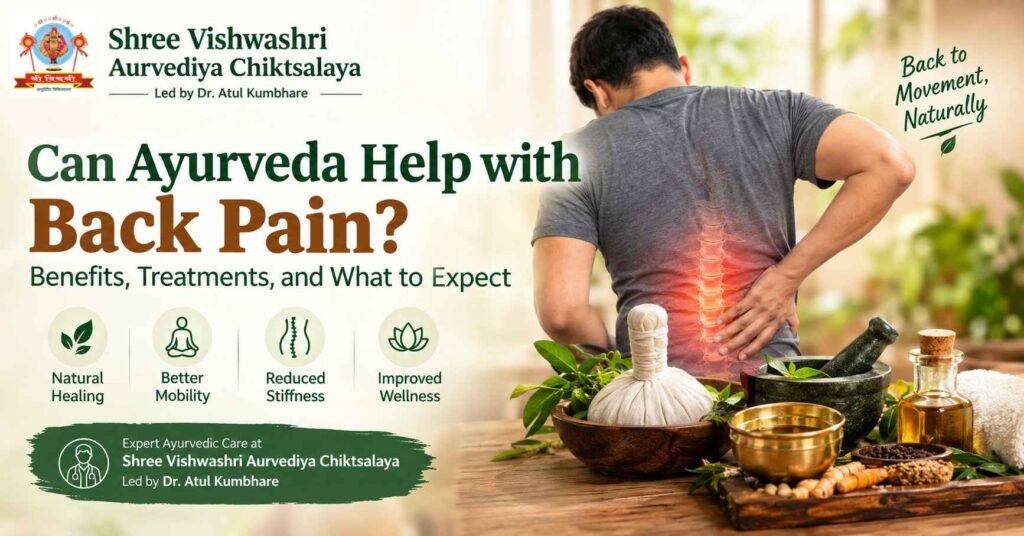
Can Ayurveda Help with Back Pain? Benefits, Treatments, and What to Expect
Back pain is one of the most common problems affecting people of different age groups. Long hours at a desk, poor posture, physical strain, lack of movement, age-related changes, and certain medical conditions can all contribute to discomfort in the lower or upper back. While painkillers may provide temporary relief for some people, many are interested in approaches that focus on overall wellness and long-term management.
Ayurveda offers a traditional approach to understanding musculoskeletal discomfort and supporting mobility through personalized therapies, lifestyle practices, diet, and therapeutic treatments. Ayurvedic treatment for back pain should be selected according to the individual’s symptoms, health history, and underlying cause rather than following a one-size-fits-all approach.
At Shree Vishwashri Aurvediya Chiktsalaya, led by Dr. Atul Kumbhare, Ayurvedic care focuses on understanding the individual’s condition and developing an appropriate wellness plan.
Understanding the Common Causes of Back Pain
Back pain can develop for many reasons. In everyday life, prolonged sitting, incorrect posture, lifting heavy objects, repetitive physical activity, and insufficient exercise are frequent contributors.
Some people experience pain because of muscle stiffness or strain, while others may have age-related changes involving the spine. Conditions affecting the discs, joints, nerves, or surrounding muscles can also cause back discomfort.
The nature of the pain can vary. It may feel like:
- A dull or persistent ache
- Muscle tightness or stiffness
- Sharp pain during certain movements
- Discomfort after prolonged sitting or standing
- Pain that makes everyday activities difficult
Because the causes can be different, identifying the underlying issue is an important first step before beginning any treatment.
How Does Ayurveda Approach Back Pain?
Ayurveda traditionally views health as a balance between the body’s systems, lifestyle, diet, and daily routines. In Ayurvedic practice, back pain may be evaluated in relation to factors such as Vata imbalance, physical strain, digestion, lifestyle habits, and individual constitution.
Rather than focusing only on the painful area, an Ayurvedic practitioner may consider the person’s overall health and contributing factors.
This personalized approach can include therapies intended to support circulation, muscle relaxation, flexibility, and comfortable movement.
However, Ayurvedic treatment should not be considered a replacement for appropriate medical evaluation, particularly when back pain is severe, persistent, or associated with other concerning symptoms.
Ayurvedic Treatments Commonly Considered for Back Pain
The specific therapy depends on the individual’s condition. A qualified Ayurvedic practitioner may recommend one or more traditional approaches after assessment.
Abhyanga – Therapeutic Oil Massage
Abhyanga involves applying herbal oils to the body using massage techniques. When appropriately performed, massage may help promote relaxation and temporarily reduce muscle stiffness and discomfort.
For people with muscular tightness associated with sedentary habits or physical strain, an appropriately selected oil massage may be incorporated into a broader wellness plan.
Kati Basti
Kati Basti is a traditional Ayurvedic therapy in which warm herbal oil is retained over a specific area of the lower back using a specially prepared dough ring.
The warmth and localized oil application are traditionally used to support relaxation and comfort in the lower back. The suitability of this therapy depends on the individual’s condition and should be determined by a trained practitioner.
Swedana – Herbal Steam Therapy
Swedana refers to traditional Ayurvedic sweating or steam therapies. Depending on the person’s needs, it may be used alongside other treatments to promote relaxation and reduce feelings of stiffness.
It is not appropriate for everyone, so professional assessment is important before undergoing heat-based therapies.
Panchakarma-Based Approaches
In selected cases, an Ayurvedic practitioner may consider therapies associated with Panchakarma. These treatments are traditionally individualized and should be performed under professional supervision.
Panchakarma is not a universal treatment for back pain, and the specific procedures should never be chosen solely based on online information.
Potential Benefits of Ayurvedic Care
When appropriately selected and professionally administered, Ayurvedic therapies may support several aspects of back-pain management.
Potential benefits can include:
- Supporting relaxation of tense muscles
- Promoting comfortable movement
- Helping manage feelings of stiffness
- Supporting flexibility and mobility
- Encouraging healthier lifestyle habits
- Providing a personalized wellness approach
It is important to understand that outcomes vary from person to person. Ayurveda should be approached as an individualized healthcare practice rather than a guaranteed cure for every type of back pain.
What to Expect During an Ayurvedic Consultation
If you are considering ayurvedic treatment for back pain, your first consultation may involve more than simply identifying where the pain occurs.
The practitioner may ask about:
- How long you have experienced the pain
- Where the pain is located
- What activities make it better or worse
- Your daily routine and posture
- Sleep and dietary habits
- Previous treatments
- Other health concerns
- Your physical activity levels
Based on this information, the practitioner can determine whether Ayurvedic care may be appropriate and suggest a personalized treatment plan.
Lifestyle Habits That Can Support a Healthy Back
Treatment is only one part of managing back discomfort. Everyday habits can also make a meaningful difference.
If you spend long periods sitting, take regular movement breaks and pay attention to your sitting posture. Avoid suddenly lifting heavy objects, particularly if you are not accustomed to the activity.
Gentle physical activity, appropriate stretching, adequate sleep, and maintaining a healthy body weight can also support overall musculoskeletal health.
If a healthcare professional has recommended specific exercises, follow those instructions rather than starting an intensive exercise routine independently.
When Should You Seek Medical Attention?
Although many cases of back pain are related to musculoskeletal strain, certain symptoms require prompt medical evaluation.
Seek professional medical attention if back pain is severe, follows a significant injury, persists or progressively worsens, or is accompanied by symptoms such as unexplained weight loss, fever, significant weakness, numbness, or changes in bladder or bowel control.
Pain radiating into the leg, particularly when associated with weakness or numbness, may also require medical assessment.
Ayurvedic care can potentially complement appropriate healthcare, but serious symptoms should not be managed solely through home remedies or alternative therapies.
Choosing the Right Ayurvedic Practitioner
The quality and appropriateness of treatment depend greatly on proper assessment and professional guidance. Avoid selecting treatments simply because they are popular online or recommended for someone else.
If you are searching for the Best Ayurvedic Doctor in Pandharpur, consider factors such as professional qualifications, experience, personalized consultation, transparent treatment recommendations, and willingness to refer you for further medical evaluation when necessary.
At Shree Vishwashri Aurvediya Chiktsalaya, led by Dr. Atul Kumbhare, the focus is on understanding each individual’s health concerns and providing Ayurvedic guidance based on their specific needs.
A Balanced Approach to Back-Pain Management
Back pain can affect work, sleep, exercise, and everyday activities. Ayurveda provides a traditional framework that may support comfort, mobility, relaxation, and healthier lifestyle practices when used appropriately.
The key is personalization. Ayurvedic treatment for back pain should begin with understanding the individual’s symptoms and overall health rather than simply selecting a therapy based on the location of pain.
If your back pain is persistent or affecting your daily life, consider consulting a qualified healthcare professional for an appropriate evaluation. For those exploring Ayurvedic care, a consultation with an experienced practitioner can help determine whether traditional therapies are suitable for their individual situation.
At Shree Vishwashri Aurvediya Chiktsalaya, Dr. Atul Kumbhare provides Ayurvedic guidance with an emphasis on individualized care and holistic wellness.