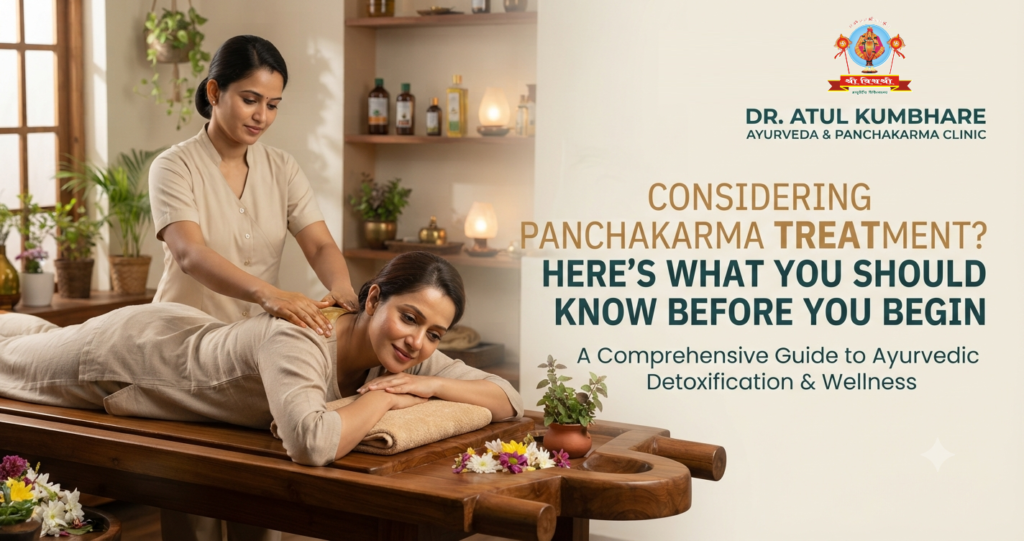
Considering Panchakarma Treatment? Here’s What You Should Know Before You Begin
If you have been feeling persistently tired, stressed, uncomfortable after meals, or simply out of balance, you may have come across Panchakarma treatment while exploring Ayurvedic wellness options. Often described as a traditional Ayurvedic approach for cleansing and rejuvenation, Panchakarma is more than a single therapy. It involves a carefully planned process that may include therapies, dietary changes, rest, and lifestyle guidance based on an individual’s needs.
At Shree Vishwashri Aurvediya Chiktsalaya Led by Dr. Atul Kumbhare, Panchakarma is approached with attention to individual constitution, current health concerns, and overall wellness goals.
If you are considering Ayurvedic Panchakarma Treatment in Barshi, understanding what the process involves can help you make a more informed decision.
What Is Panchakarma Treatment?
The word Panchakarma refers to a group of traditional Ayurvedic therapeutic procedures. Ayurveda traditionally describes these therapies as methods intended to support the body’s natural processes and restore balance.
Importantly, Panchakarma is not a one-size-fits-all treatment. The therapies selected, their sequence, duration, and supporting diet can vary from person to person.
A qualified Ayurvedic practitioner may first assess your health history, lifestyle, digestion, constitution, and specific concerns before recommending a suitable approach.
Why Do People Consider Panchakarma?
People explore Panchakarma for different reasons. Some are interested in improving general wellness, while others seek Ayurvedic support for concerns related to digestion, stress, sleep, stiffness, or lifestyle imbalance.
However, it is important to maintain realistic expectations. Panchakarma should not be viewed as a guaranteed cure or as a substitute for appropriate medical care.
The goal is generally to create a structured period of therapeutic care, dietary discipline, rest, and lifestyle adjustment that supports overall well-being.
What Happens Before Panchakarma?
Preparation is an important part of the process. Your practitioner may recommend certain dietary and lifestyle modifications before specific Panchakarma procedures.
Depending on your individual assessment, preparation may include:
- Following a lighter or prescribed diet
- Maintaining adequate rest
- Avoiding certain foods or habits
- Using specific Ayurvedic preparations when clinically appropriate
- Preparing the body for the planned therapies
This preparatory stage is one reason why Panchakarma should ideally be undertaken under professional supervision rather than attempted through generic online instructions.
What Therapies May Be Included?
Panchakarma may involve different Ayurvedic procedures depending on the individual’s assessment. These can include therapies such as Abhyanga (Ayurvedic oil massage), Swedana (herbal steam therapy), and other traditionally prescribed procedures.
Not every person receives every therapy. The treatment plan should be individualized rather than based simply on the idea that everyone needs the same “detox.”
At Shree Vishwashri Aurvediya Chiktsalaya, Dr. Atul Kumbhare can assess your requirements and guide you regarding which Ayurvedic therapies may be appropriate.
What About Diet During Treatment?
Diet can play a significant role in an Ayurvedic treatment program. During Panchakarma, dietary recommendations may be designed to be simple, light, and easier to digest according to the practitioner’s assessment.
You may be advised to focus on freshly prepared foods and follow specific dietary restrictions for a particular period.
Rather than following a generic Panchakarma diet found online, it is better to follow recommendations provided specifically for you. Your nutritional needs, health status, medications, and underlying conditions should all be considered.
Panchakarma Treatment in Pune: What Should You Look For?
If you are searching online for panchakarma treatment in pune, it can be tempting to choose a centre based only on promotional claims, packages, or testimonials.
Instead, consider asking practical questions:
- Who will assess you before treatment?
- Is the treatment plan individualized?
- What therapies are being recommended and why?
- How long is the program expected to last?
- What preparation and post-treatment care are required?
- Are your existing health conditions and medications being considered?
- What should you do if you experience discomfort during treatment?
A transparent consultation can help you understand whether Panchakarma is suitable for your circumstances.
Is Panchakarma Suitable for Everyone?
No. Panchakarma is not automatically appropriate for every individual or every health condition.
Your age, general health, pregnancy status, medications, chronic conditions, nutritional status, and other factors may influence whether particular Ayurvedic procedures are suitable.
This is especially important if you have a diagnosed medical condition or are currently receiving treatment from another healthcare professional. Do not stop prescribed medication or replace conventional medical treatment with Panchakarma without discussing it with the appropriate healthcare professional.
What Can You Expect After Treatment?
Post-treatment care is an important part of a structured Panchakarma program. Your practitioner may recommend gradually returning to your regular diet and maintaining supportive lifestyle habits.
Some people report feeling relaxed or refreshed after certain Ayurvedic therapies, but individual experiences vary. Results should not be guaranteed, and claims of removing “all toxins” or curing multiple unrelated diseases should be approached cautiously.
The most meaningful long-term benefits often depend on what happens after the treatment as well—sleep, nutrition, physical activity, stress management, and sustainable daily habits all matter.
Making an Informed Choice
Choosing Panchakarma is a personal healthcare decision. The best starting point is not a package or a promise, but a proper consultation.
If you are exploring Ayurvedic Panchakarma Treatment in Barshi, take time to understand the proposed therapies, expected duration, preparation, dietary recommendations, potential risks, and follow-up care.
At Shree Vishwashri Aurvediya Chiktsalaya Led by Dr. Atul Kumbhare, the focus can begin with understanding your individual needs before developing an appropriate Ayurvedic care plan.
Ultimately, Panchakarma should be approached thoughtfully—with realistic expectations, professional guidance, and attention to your overall health.